Quick Answer
Data lineage is the record of where data comes from, how it moves and changes across systems, and where it is used downstream. It gives organizations a traceable view of the path between a source and the reports, applications, analytics workflows, or AI systems that depend on it.
A lineage record can show which source supplied a field, what transformation was applied, which dataset received the result, and what downstream assets may be affected if that source changes. That visibility supports troubleshooting, impact analysis, governance, and auditability across increasingly connected data environments.
What is data lineage?
Data lineage traces the lifecycle of data from its original source through the systems and transformations that shape it to its downstream use. The level of detail can range from a broad map between datasets to field-level tracking that follows an individual value across several systems.
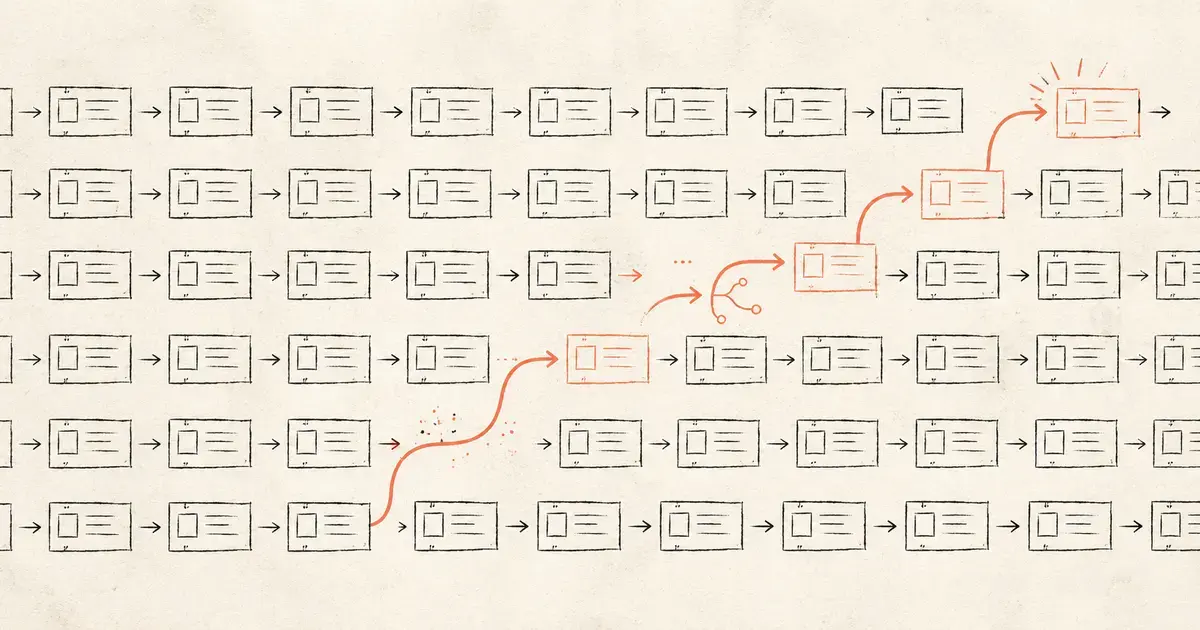
For example, a customer-risk field may begin in a core system, pass through an integration layer, be recalculated in a data pipeline, and appear later in a reporting dashboard.
Lineage records those relationships so teams can see where the value originated and what happened before it reached the dashboard. This differs from simply knowing where a dataset is stored. Location tells you where the data sits at a given point. Lineage shows how it got there and what depends on it next.
Lineage also contributes to data readiness because a dataset is easier to evaluate when its source, transformations, and downstream dependencies are visible. An accurate field with an unclear history can still be difficult to validate for a new workflow or analytical use.
How does data lineage work?
Data lineage is built by collecting metadata about data sources, transformations, movement, and downstream dependencies, then connecting those records into a traceable path. Modern platforms can capture much of this metadata automatically from queries, pipelines, jobs, catalogs, and integration processes.
The level of detail depends on the environment. Dataset- or table-level lineage can show that one system feeds another. Column-level lineage goes further by tracing how a specific field changes across tables, calculations, or applications. Databricks, for example, supports automated lineage down to the column level for workloads captured within Unity Catalog.
Manual documentation can still be useful where older platforms expose little metadata or where business logic sits outside the technical pipeline. Those records need ongoing maintenance if the underlying systems change.
In complex environments, the integration layer also affects how much lineage can be captured. Data may pass through APIs, middleware, batch processes, or legacy applications before it reaches its destination. Preserving enough metadata across those handoffs makes the full path easier to reconstruct.
Why is data lineage important?
Data lineage helps teams understand where a value came from, what depends on it, and where to look when something changes or goes wrong. Its practical uses extend across day-to-day data operations, system change, governance, and regulated reporting.
For impact analysis, lineage can show which reports, applications, or downstream datasets depend on a field before that field is changed or removed. For troubleshooting, teams can follow an unexpected result upstream until they reach the source or transformation where the discrepancy appeared.
Lineage also supports data quality work. When an incorrect value reaches several downstream systems, a lineage map can help identify the affected assets and the point where the problem entered the flow.
Within data governance, the same traceability can support audit evidence, ownership, access reviews, and regulatory reporting. An organization can more readily show where sensitive or regulated information originated and which downstream processes use it. IBM and Databricks both identify compliance, impact analysis, and root-cause investigation as common lineage use cases.
How is data lineage different from data provenance, data governance, and a data catalog?
Data lineage focuses on the path data takes and the transformations it undergoes. Related disciplines describe different parts of how enterprise data is understood and controlled.
|
Concept |
What it describes |
|
Data lineage |
Where data came from, how it moved or changed, and where it is used downstream. |
|
Data provenance |
The historical origin of the data, including information about its creation, authenticity, and modification history. |
|
Data governance |
The policies, ownership, responsibilities, and controls that govern how data is managed and used. |
|
Data catalog |
A searchable inventory of data assets and the metadata used to describe and discover them. |
Lineage and provenance overlap, especially when a detailed lineage record includes historical metadata. Provenance places greater emphasis on origin and authenticity, while lineage follows movement, transformation, and dependency across the data environment.
A catalog can store or display lineage information, while governance determines how the organization manages the data represented in that catalog. These capabilities often work together, but each answers a different operational need.
How does data lineage support analytics and AI?
Data lineage gives analytics and AI teams a clearer record of which enterprise information contributed to an output and how that information changed before it was used. As data moves through more processing layers, that traceability becomes harder to maintain manually.
A traditional analytical pipeline may connect source tables to transformed datasets and dashboards. AI environments can introduce additional derived data, retrieval layers, model inputs, vector stores, or generated outputs. The surrounding AI architecture needs enough lineage and metadata to keep those dependencies visible.
Lineage can help teams identify which source data fed an analytical result, assess the effect of changing an upstream dataset, and investigate unexpected outputs. It can also show which downstream models or applications may depend on information scheduled for modification or removal.
An AI operating model can extend those controls into live workflows by defining how lineage, metadata, permissions, and consumption paths are handled as enterprise data becomes available to AI systems.
Lineage provides visibility into the data path. Model validation, output evaluation, security controls, and human oversight remain separate disciplines around the wider system.
Continue Exploring
Data lineage helps team follow critical information across the systems and workflows that depend on it. Gaps often surface during system changes, audits, troubleshooting, or new deployments when the organization needs to reconstruct a path that was never captured clearly.
If you’re tracing data across modern platforms and legacy systems, we’d be happy to discuss the architecture and controls needed to keep those paths visible as the environment changes.
CTA button: Book a conversation
Related Reading
The AI Inventory Reckoning Is Coming
For a related governance problem, this article examines why enterprises need an authoritative record of AI systems and the dependencies they are expected to govern.
Related Questions
What is column-level data lineage?
Column-level data lineage tracks how an individual field or column moves and changes across systems. It can show the source column, transformations applied to it, and the downstream columns, reports, or applications that consume the result. This provides more precise impact analysis than lineage captured only at table or dataset level.
Can data lineage be automated?
Yes. Data lineage can be captured automatically when platforms can read the metadata generated by queries, pipelines, jobs, catalogs, and other technical processes. Automated capture reduces the maintenance required for environments that change frequently. Manual lineage may still be needed where legacy systems expose limited metadata or where important business logic sits outside scanned platforms.
Does data lineage improve data quality?
Data lineage helps teams locate and investigate data-quality problems by showing where a value originated and which transformations affected it. It can also reveal which downstream assets may contain the same problem. Correcting the underlying data still requires quality controls or remediation at the relevant source or processing stage.
Is data lineage required for regulatory compliance?
Specific regulatory requirements vary by jurisdiction and industry, but data lineage is commonly used to support auditability, traceability, reporting, and controls around regulated information. It can help organizations show where sensitive data originated, how it was processed, and which downstream systems use it.