





AI Operating Model: The Anatomy of a Working AI Foundation.

Built on Experience. Powered by Intelligence. Engineered for Scale & Interoperability. 

AI systems need a business environment built to support them. That means accessible data, process clarity, disciplined engineering, and a clear understanding of how each layer supports the next before agents enter daily workflows. 

Fulcrum Digital’s AI Operating Model helps organizations build that foundation through three connected layers: Data Engineering, Process Engineering, and AI Engineering. 

Three layers. One operating foundation.

Designed For Banks, Payment Providers, And Financial Platforms

Leaders require a practical way to understand what needs attention before deployment. Some organizations need data work first. Others need process redesign or stronger engineering discipline.  

The AI Operating Model organizes the conditions that determine whether agentic systems can run reliably inside the enterprise. Each layer has a specific role, and each one affects what the next layer can support. 

Weak foundations make strong AI look unreliable.

When data, process, and engineering move in different directions, AI programs inherit the gaps between them. Fulcrum brings those layers into one operating model before agents move into live workflows. 

Data Engineering

Reporting data and agent-ready data are not the same thing. 

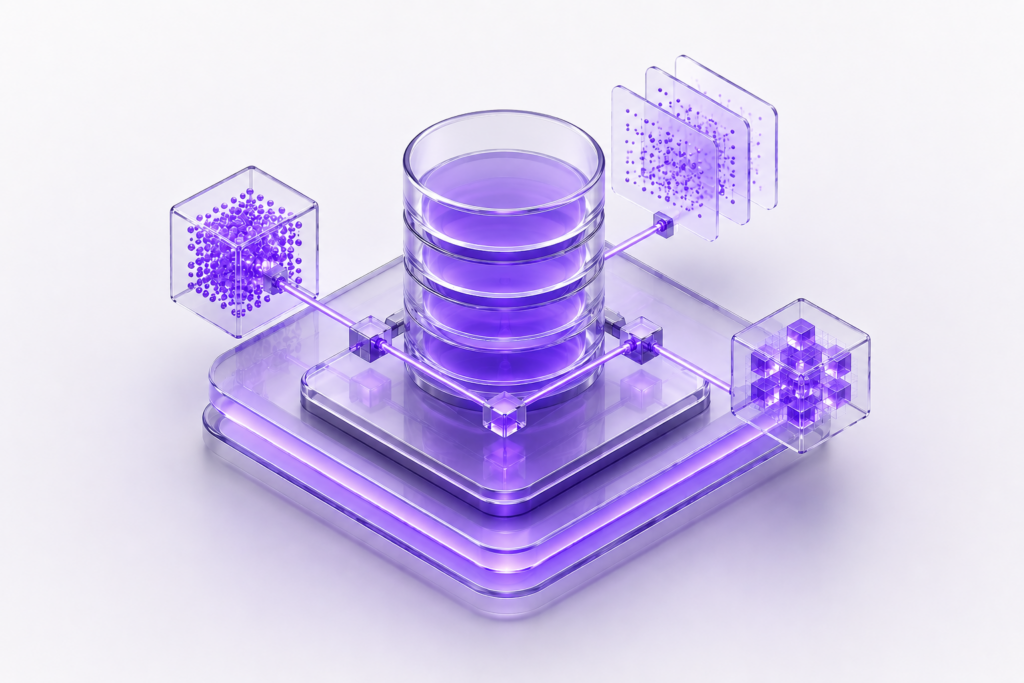
Agentic AI places new demands on enterprise data. Data built for reporting may support dashboards, but agents need structured, governed, accessible information with clear lineage, permissioned access, and reliable consumption paths. Data Engineering prepares that foundation before AI systems begin making recommendations, retrieving answers, or acting inside workflows. 

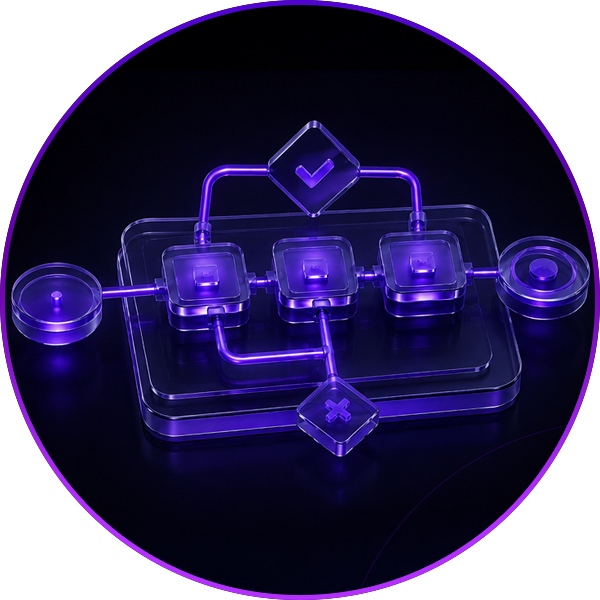
Futuristic 3D process engineering workflow with glowing purple interconnected modules and decision pathways.

Process Engineering

Automation only works when the workflow can carry it. 

Agentic systems inherit the processes they are placed into. If the workflow is unclear, fragmented, or dependent on informal handoffs, automation can increase confusion instead of reducing it. Process Engineering redesigns workflows for agentic execution by defining agent scope, human review points, escalation paths, and the conditions that must be met before automation begins. 

AI Engineering

Models don’t become systems on their own. 

AI Engineering is where agents, models, integrations, and platforms become working enterprise systems. Fulcrum Digital builds on FD RYZE® Infinity so orchestration, model routing, integration discipline, and deployment structure are part of the engineering model from the start. This keeps AI delivery connected to the data and workflow layers already defined in the operating model. 

Don’t guess the first layer to fix.

Our Readiness & Assessment service gives leaders a scored view of where the foundation is strong, where it is exposed, and which layer should be addressed first. Four weeks. Fixed scope. A clear first move. 

FD RYZE® Systems for Live Enterprise Workflows

Production AI requires more than a model. It requires systems built to operate under enterprise conditions. 

FD RYZE® products bring together governed knowledge retrieval, AI-native engineering, orchestration, deployment flexibility, and enterprise-scale agent management into systems organizations can deploy inside real operational environments.

Enterprise Knowledge Retrieval 

Built on FD RYZE® Infinity, Nexus connects to enterprise documents and returns grounded, traceable answers in seconds. Benchmarked at 89–92% accuracy and live in 48 hours. 

AI-Native Product Delivery 

Built on FD RYZE® Infinity, the ADLC Super Agent supports the full product development lifecycle, from requirements through deployment, with six specialized agents. 

The Agentic AI Platform 

Built on FD RYZE® Infinity, Nexus connects to enterprise documents and returns grounded, traceable answers in seconds. Benchmarked at 89–92% accuracy and live in 48 hours. 
FD RYZE® Across the Operating Model

FD RYZE® products run on the same data, workflow, and engineering foundations the operating model is designed to strengthen. FD RYZE® Infinity and Nexus apply those layers inside live enterprise environments, connecting structured data, redesigned workflows, and AI engineering into systems teams can deploy, monitor, and scale. 

Data Engineering

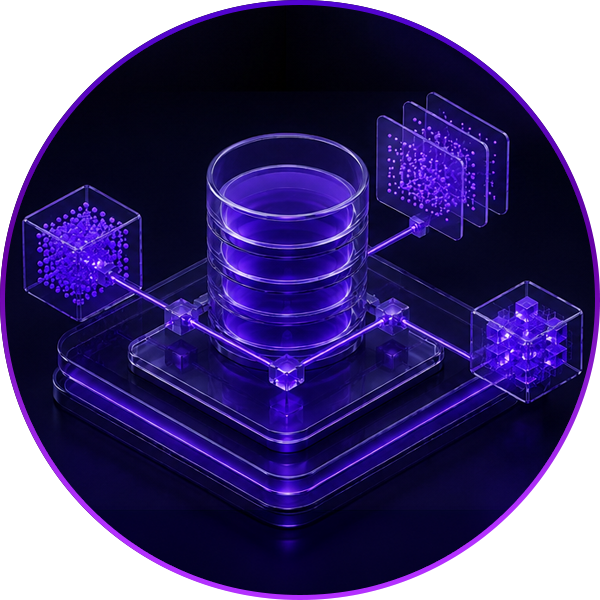
Most enterprise data environments were built for reporting, not autonomous reasoning. FD RYZE® Infinity connects agents to structured, traceable enterprise data designed for live retrieval and orchestration. McKinsey reports that 80% of organizations cite data limitations as a blocker to scaling AI, which is why governance, lineage, and access structure are established from the first deployment layer onward. 
Process Engineering 

FD RYZE® Nexus applies governed retrieval and workflow redesign inside operational environments where teams still depend on manual search, fragmented handoffs, and institutional memory. In underwriting-related workflows, retrieval time has been reduced from 25 minutes to under 30 seconds when process redesign and agent deployment are introduced together. 
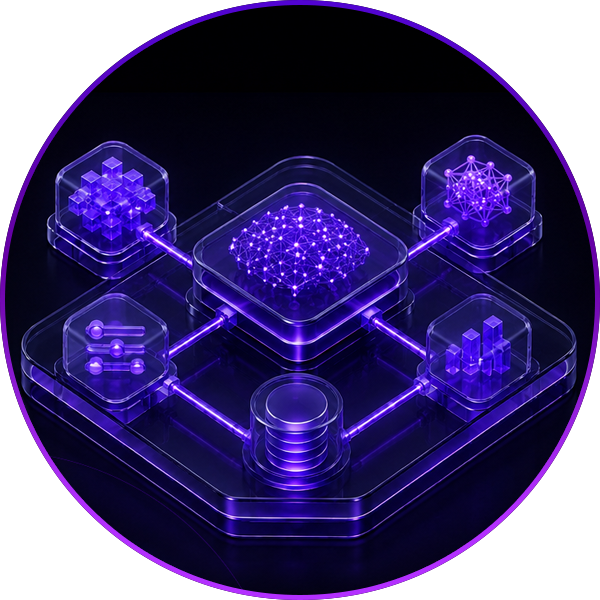
AI Engineering 

FD RYZE® Infinity brings orchestration, routing, deployment structure, and integration discipline into the engineering layer so enterprise AI systems can move beyond isolated pilots. FD RYZE® Nexus deployments can go live within 48 hours from data access, while operating at 40% lower cost than equivalent Azure retrieval workloads.  

Where the Foundation Becomes Operational

These are the outcomes that become possible when data, process, and AI engineering are built in the right order. 

Banking & Financial Services

Compliance knowledge retrieval in regulated banking 

Compliance officers searching RBI circulars, audit reports, and policy documents manually can be supported by a governed knowledge agent that answers in under 30 seconds, with source attribution and full audit trail. 

Insurance

Underwriting intelligence with traceable outputs 

Underwriters spending 25 minutes per query on guidelines, loss ratios, and precedents can be supported by an agent that surfaces the right document, section, and context in under 30 seconds. New hire ramp cut by 60%. 

Manufacturing

SOP and quality agent on the factory floor 

Maintenance technicians searching across logs, drawings, and quality reports for recalibration procedures can be supported by an agent that surfaces the right procedure with step-by-step guidance in seconds. 

Frequently Asked Questions

1. What is an AI Operating Model?

An AI Operating Model defines the foundation enterprise AI systems need before they enter live business workflows. Fulcrum Digital structures this foundation across Data Engineering, Process Engineering, and AI Engineering so organizations can prepare data environments, redesign workflows, and build AI systems that are capable of operating inside real enterprise conditions. 

2. What does Data Engineering mean in an AI Operating Model?

Data Engineering prepares enterprise data for agentic AI systems. This includes structured access, traceability, metadata, usage boundaries, retrieval readiness, and deployment patterns that support live AI reasoning and orchestration. The layer exists because data built for reporting is rarely sufficient for agents operating inside workflows. 

3. Why is Process Engineering important for agentic AI?

Process Engineering focuses on the workflows agents enter after deployment. Fulcrum Digital helps organizations define workflow ownership, escalation paths, approval structures, human review points, and operational dependencies before automation expands. This helps reduce the risk of agents amplifying existing workflow friction. 

4. What does AI Engineering include in enterprise environments?

AI Engineering covers the systems required to build, connect, deploy, and operate enterprise AI. This includes orchestration, integrations, deployment structure, infrastructure alignment, model routing, and pilot-to-production pathways that help AI systems move into live enterprise environments with stronger operational discipline. 

5. How long does it take to build an AI Operating Model?

It depends on your starting point. Organizations with mature data infrastructure and clear workflows may move toward agent deployment in weeks. Those with significant data gaps, process debt, or engineering dependencies may need three to six months. A Readiness Assessment gives a more specific answer based on the current state of your data, workflows, technology, and talent. 

6. How do FD RYZE® products connect to the AI Operating Model?

FD RYZE® products apply the same data, workflow, and engineering foundations outlined in the operating model. FD RYZE® Nexus supports governed enterprise knowledge retrieval, while FD RYZE® Infinity provides orchestration, deployment structure, and platform support for agentic AI systems operating across enterprise environments. 

Engineering That Meets the Moment
When timing matters, so does the partner you build with.

Message us, call us, or book a meeting. We’re ready to help you design, build, and scale what’s next.

Send Us A Message

Thank you, we'll be in touch shortly.

Need More Info?

Message us & we will get back to you ASAP! 

Schedule Appointment

Fill out the form below, and we will be in touch shortly.