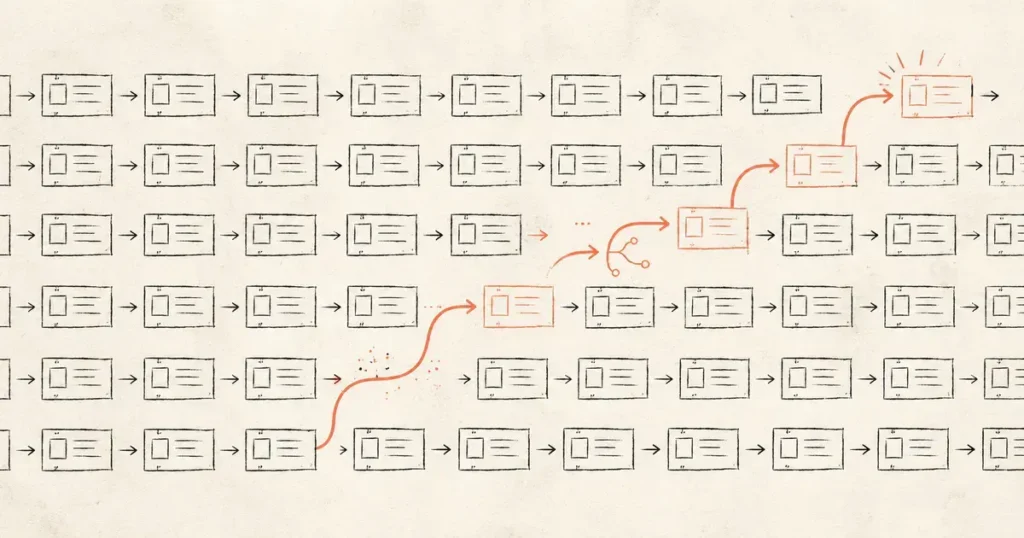
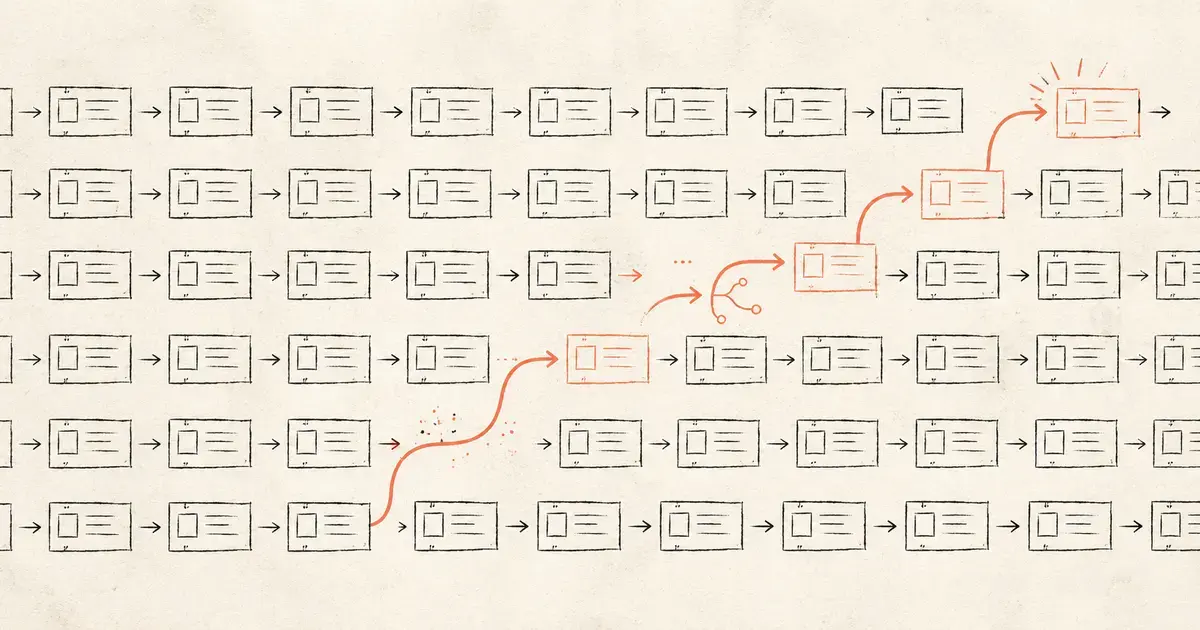
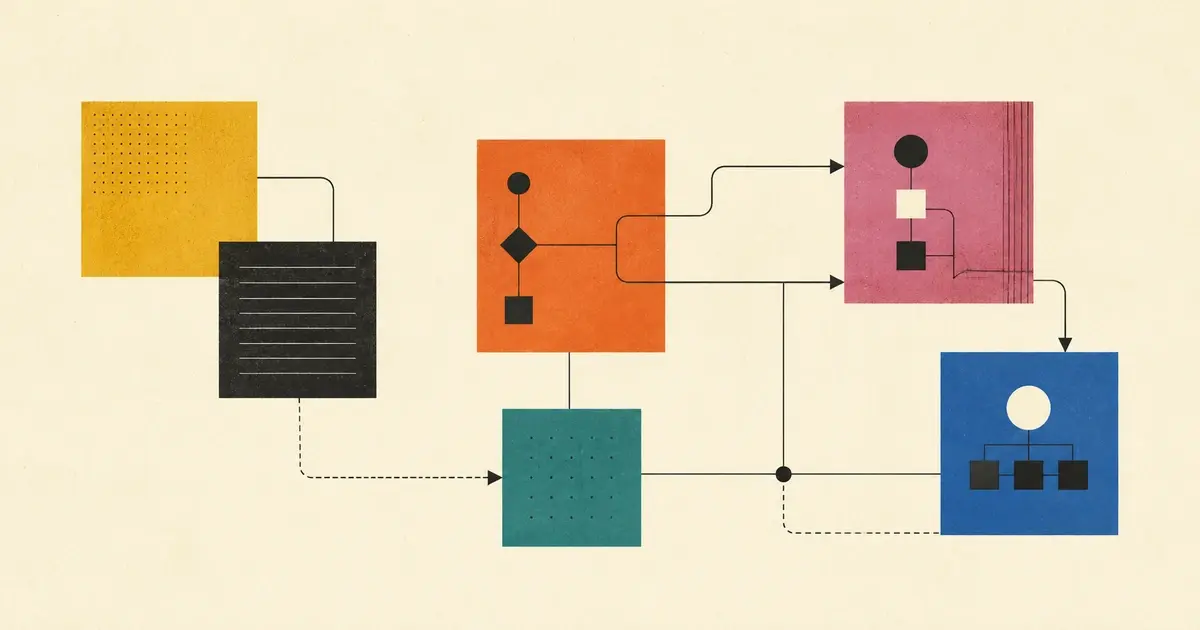
As enterprises usher in the new year, intelligent systems are no longer optional or peripheral. This piece explores the architectural shifts required when intelligence moves into the core of how organizations operate, coordinate, and scale.2025 was dominated by proof. Proof that intelligent systems could work. Proof that agents could reason. Proof that automation could move faster than people. 2026 is about something more crucial: what it takes to make intelligence last. As enterprises move from experimentation to dependence, the real challenge is no longer whether AI functions, but whether it holds up once it becomes structural. Once it sits inside operations. Once decisions depend on it. Once failure carries cost. This is the year enterprises stop asking what intelligence can do and start confronting what it must be built on. The ideas that follow are not trends or buzzwords. They describe the underlying conditions of intelligence now requiring operating at scale. Together, they point to a shift that’s already underway: intelligence is becoming infrastructure. And like any infrastructure, its value is defined less by novelty and more by how well it supports everything built on top of it.